
Looking Beyond Protein Per Serving
When most people evaluate a protein powder, they start with protein per serving. It is an important number, but on its own it does not tell the full story of how efficiently a protein powder is formulated or what is actually making up each scoop.
What Protein Density Means
Protein density describes how much of each scoop is truly protein. It reflects the relationship between the grams of protein listed on the label and the total weight of the serving. The higher that ratio, the more protein you are getting per gram of product and the less of the scoop is taken up by non protein components.
Why Protein Density Makes a Difference
Two protein powders can list the same protein per serving and still be very different in composition. One may deliver that protein in a compact scoop that is mostly protein, while another may rely on a much larger scoop because more of the weight comes from added flavor systems, sweeteners, texture agents, added sugars, or carriers used to improve mouthfeel or taste. Protein density makes that distinction visible.
Higher protein density usually means more usable protein per calorie and a formula that stays focused on its primary role. It also means less of each scoop is coming from ingredients that are there for taste, texture, or processing rather than nutrition. For many people, this translates to easier digestion and cleaner macro tracking.
Protein Percentage Explained
Protein density is often expressed as protein percentage. This simply shows how much of the scoop is made up of protein compared to everything else included in the formula. A higher protein percentage indicates that protein itself makes up most of the product, rather than additional components used to build flavor or bulk.
How Protein Density Affects Value
Protein density also helps explain cost differences between protein powders. Highly concentrated protein ingredients cost more per pound than flavoring systems, sweeteners, and other supporting ingredients. When a product is formulated to maximize protein content instead of increasing scoop size, more of the cost is tied directly to protein itself. While that can raise upfront price, it improves cost per gram of protein over time and reflects where the formulation priorities truly are.
Curious why supplement prices are increasing? Learn more here.
Muscle Feast and a Protein First Philosophy
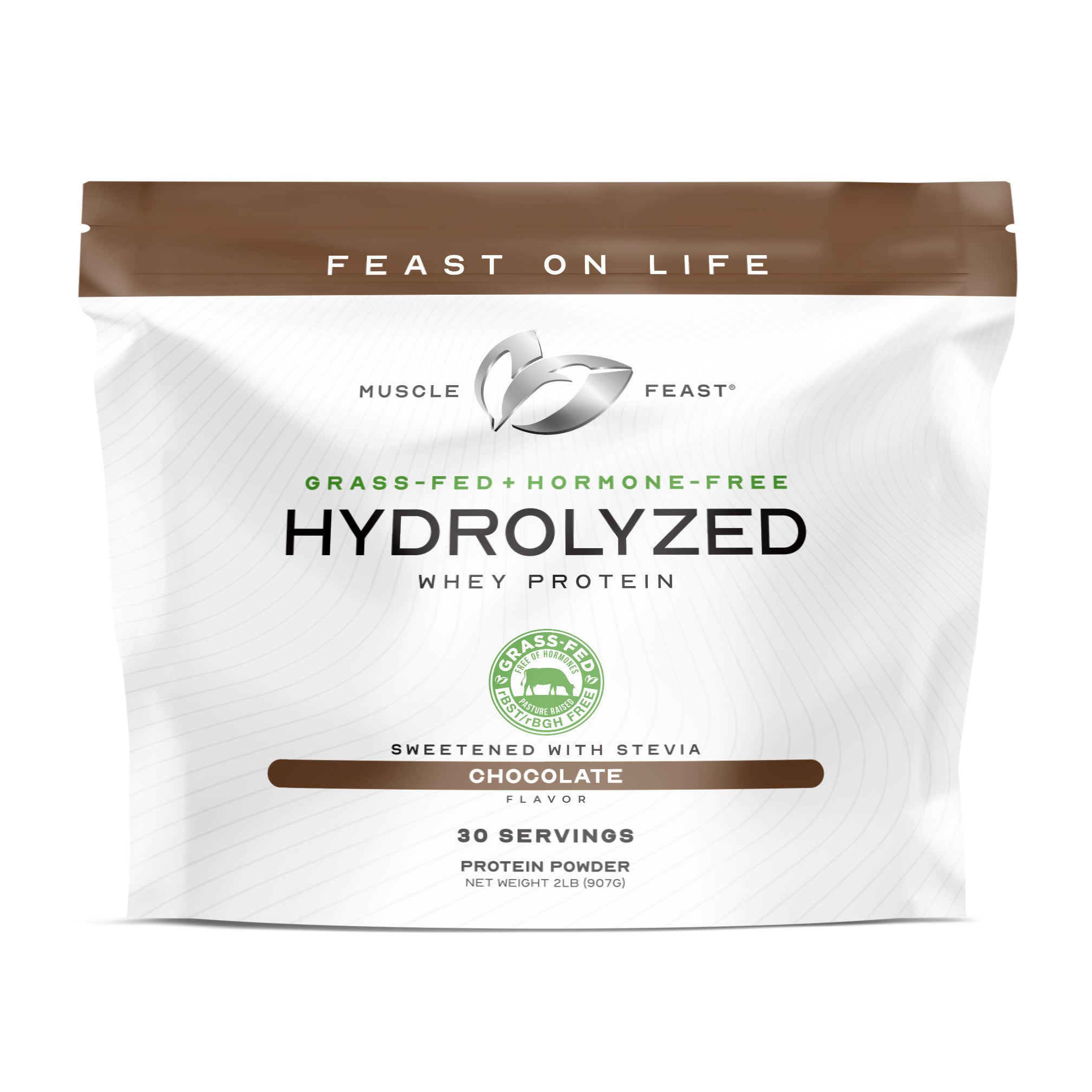
At Muscle Feast, protein density is intentional. Formulas are designed with tight serving sizes, high protein percentage, and minimal reliance on added components beyond what is necessary for taste and mixability. The goal is straightforward. Deliver as much protein as possible in every gram of product.
The Big Picture
Protein quality is not just about how much protein is listed on the label. It is about how efficiently that protein is delivered and how much of the scoop is actually protein. Protein density, protein percentage, and cost per gram of protein provide a clearer picture of formulation quality and long term value. That is why protein density matters.
- Conrad RN


Leave a Comment