
Protein isn’t just having a moment, it’s having a full-blown takeover.
From morning shakes to afternoon snacks and even dinner sides, more people than ever are consciously loading up on protein. Recent consumer surveys show that around 61% of Americans say they’ve actively increased their protein intake in the past year, up significantly from just a few years ago. High-protein claims are showing up on everything from bars and beverages to cereals, yogurts, and baked goods. The global high-protein powders market alone is on track to grow from roughly $27–28 billion in 2025–2026 toward $50 billion by 2035, reflecting steady double-digit interest in performance, satiety, and everyday wellness.
One of the biggest unexpected accelerators? GLP-1 medications. The injectable drugs now used by approximately 12% of American adults for weight management or related health goals. Healthcare providers frequently advise patients on these medications to boost protein consumption to help protect lean muscle mass while appetite is suppressed. That single medical trend has pulled in millions of new consumers who previously may not have thought twice about hitting daily protein targets. Suddenly, whey protein’s fast absorption, complete amino acid profile, and proven ability to support muscle retention make it more relevant than ever not just for lifters, but for everyday people focused on body composition and long-term health.
This isn’t only a consumer-driven story. The broader food and beverage industry has quietly made high-protein formulation a core part of product development. What started as a niche “sports nutrition” feature has become a baseline expectation across categories. Companies are reformulating staples to deliver more grams per serving, chasing better satiety, sustained energy, and that satisfying “fuller for longer” feeling consumers now demand. Protein-enriched snacks, ready-to-drinks, and functional foods are expanding rapidly because shoppers are actively seeking them out.
All of this enthusiasm has run straight into a hard reality on the supply side: whey protein is in tight supply, and the crunch is real.
Despite steady dairy production overall, the specific capacity to separate, concentrate, and isolate high-quality whey hasn’t scaled quickly enough to match the explosion in demand. In the U.S., whey protein concentrate and isolate have become extremely difficult to secure in volume, with many suppliers already sold out well into 2026. Prices have climbed to record levels in some cases 50–110% higher than just a year or two ago as buyers compete for limited material, including imports from Europe where pressure is now building too.
The shortage is the clearest market signal yet that protein demand has shifted from trend to structural reality. It’s no longer optional for brands; it’s table stakes. And when raw material gets scarce, the ripple effects show up in everything from tighter allocations to occasional adjustments in pack sizes or formulations across the industry.
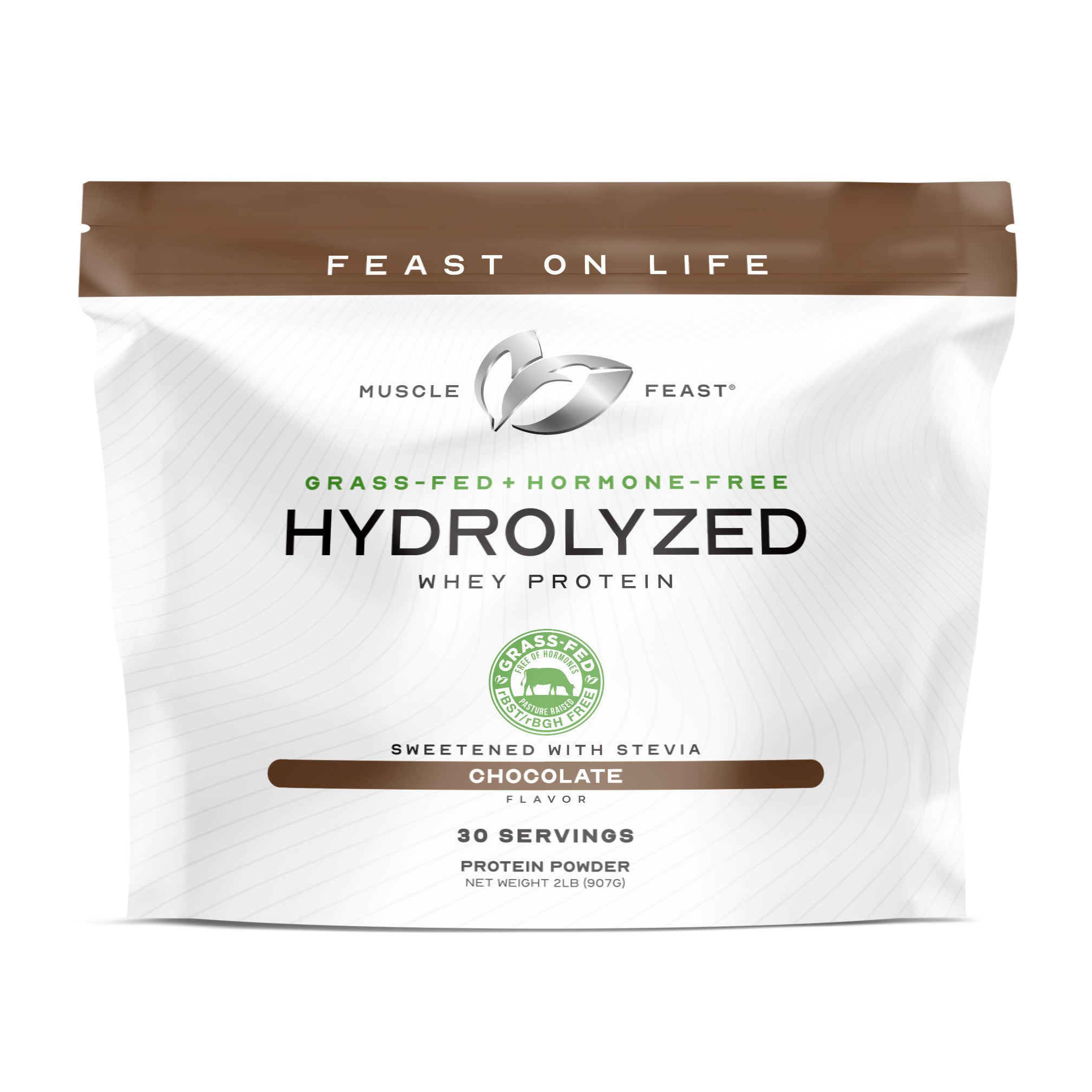
At Muscle Feast, we’ve always believed in keeping things simple and transparent: high-quality whey sourced responsibly and delivered without unnecessary fillers. In a market this competitive, that approach feels more important than ever. We’re committed to securing reliable supply so our customers can keep fueling their training and recovery without compromise.
Looking ahead, the protein wave shows no signs of slowing. Between fitness enthusiasts chasing performance, health-conscious eaters prioritizing satiety, and the growing number of people supported by medical guidance to protect muscle, demand for premium whey is only going to intensify.
The current tightness in whey supply is proof positive: the category has matured, and consumers are voting clearly for more protein in their daily routines. As the industry works through capacity investments (which take time to come online), the brands that stay focused on quality, consistency, and real value will be the ones helping you hit your goals shortage or not.
Because when demand this strong meets limited supply, one thing becomes certain: protein isn’t going anywhere. It’s the new normal.
- Conrad RN


Leave a Comment